Getting Landscaping Design GTA Right: Planning, Plants, and Practical Choices
When you own a home in the Greater Toronto Area, the yard is more than just grass and a fence. It is where kids play, where neighbours stop for a quick chat, and where you unwind after a long week. But turning that space into something you actually enjoy takes more than a weekend trip to the garden centre. Good landscaping design GTA homeowners trust starts with honest planning, a solid understanding of your property's quirks, and choices that hold up through our wild weather swings.
I have spent years working on projects across Markham, Scarborough, and the surrounding areas, and I have seen the same mistakes repeated. People rush to buy plants before they know their soil type. They install patios without checking how water drains. They pick materials based on a photo from somewhere warm and dry, then wonder why everything cracks after the first freeze-thaw cycle. A little knowledge goes a long way, and that is what this article is about.
Know Your Land Before You Lay a Shovel
The most successful projects start with a close look at what you already have. In the GTA, soil can vary dramatically from one street to the next. Heavy clay is common in parts of Markham, while Scarborough has areas with sandy loam or even shallow topsoil over hardpan. Before you decide on plants or hardscaping, dig a small hole and see what you are working with. Clay drains slowly, so raised beds or amended soil might be necessary. Sandy ground dries out fast and may need more organic matter to hold moisture.
Sun exposure matters just as much. A yard that gets full sun from morning to late afternoon is very different from one shaded by mature maples or a neighbour's two-storey house. Map out where the light falls during the growing season, not just in April. That shady corner in spring might be baking by July once the leaves fill in. Matching plants to the real light conditions saves you money and frustration.
Hardscaping Choices That Last Through Ontario Winters
Patios, walkways, and driveways take the biggest beating from our climate. Freeze-thaw cycles, road salt, and heavy snow mean your hardscaping needs to be built tougher than in milder regions. Interlocking pavers are a popular choice across the GTA for good reason. They handle movement better than poured concrete, which tends to crack when the ground shifts. If a section does settle unevenly, you can pull up the affected pavers, re-grade the base, and put them back without repouring the whole slab.
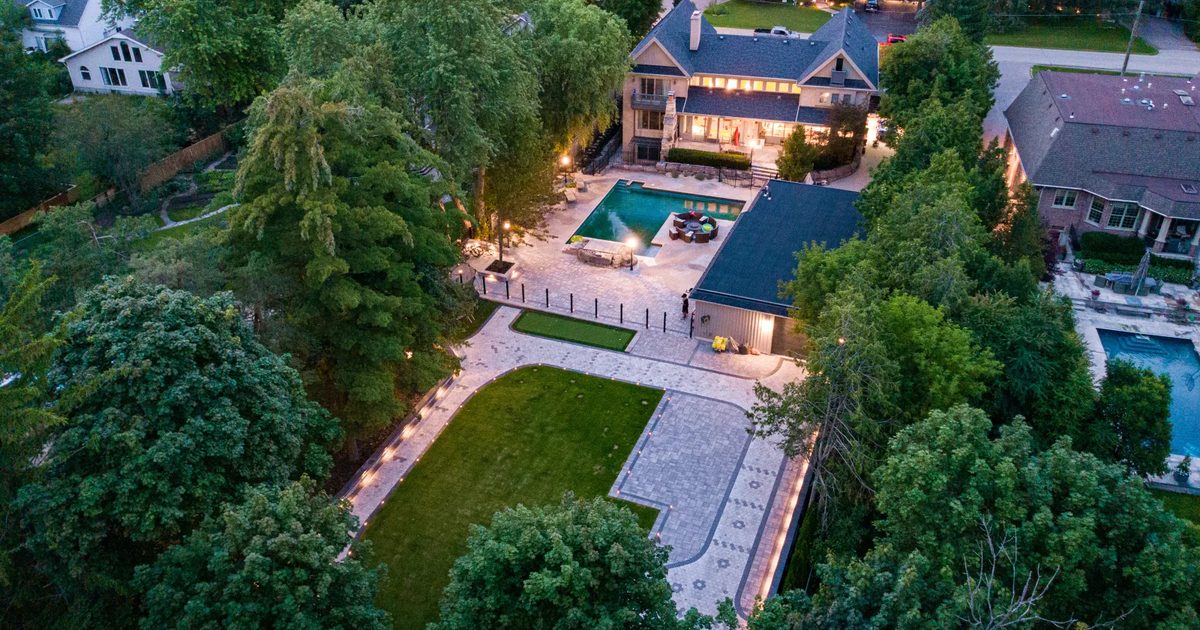
Base preparation is the part most people skip or skimp on. A proper base needs compacted gravel, often six to eight inches deep for driveways, with a layer of bedding sand on top. Skimping on depth or using the wrong type of gravel leads to sinking, pooling water, and heaving within a couple of winters. That is the kind of problem that turns a nice driveway into an obstacle course. Spending a bit more on the base upfront is the cheapest repair you will never have to make.
Plant Selection: Think Beyond the First Season
Nurseries are tempting places in May. Everything is green and full of blooms. But a plant that looks great in a pot might struggle in your yard after a year or two. The best landscaping design GTA residents can rely on uses native and adapted species that tolerate both hot, humid summers and freezing, dry winters. Eastern white cedar, serviceberry, and ninebark are reliable choices. They provide structure and interest across multiple seasons, and they do not demand constant watering or chemical intervention.
Avoid the trap of planting too close to the house. Foundation plantings that look cute at the garden centre can grow into massive shrubs that block windows, trap moisture against siding, and create a highway for pests. Give everything room to reach its mature size. If you want a fuller look sooner, plant a bit closer together and plan to remove every other plant as they grow. That is a smarter approach than cramming everything in and dealing with a jungle three years later.
Drainage and Grading: The Unsung Hero
Water is the biggest enemy of a well-built landscape. Poor grading sends runoff toward the foundation, which leads to wet basements, cracked walls, and mould. It also drowns plants that prefer drier roots. Every project, whether a full backyard transformation or a simple patio addition, should include a plan for where water goes. Slope the ground away from the house at a rate of at least two percent for the first ten feet. That is roughly a quarter-inch drop per foot. If your yard is flat, consider a dry well or a French drain to move water to a better location.
Downspouts and sump pumps also play a role. Many GTA homes have downspouts that dump water right next to the foundation. Extending them a few feet away, or connecting them to a rain garden, makes a visible difference in how dry your basement stays. It also reduces erosion in your garden beds. Simple fixes like these cost little compared to the damage they prevent.

Working With a Professional vs. Doing It Yourself
There is no shame in hiring help. A good landscaping company brings experience, equipment, and an eye for detail that is hard to replicate on weekends. They know which plants survive in your specific microclimate, how to handle tricky grades, and where to source materials that will not crumble after one winter. For bigger jobs like interlocking driveways or retaining walls, the equipment and labour involved are often beyond what a homeowner can manage safely.
That said, smaller projects like planting a border, mulching beds, or installing a simple paver path are perfectly doable for a motivated DIYer. The key is knowing your limits. If the project involves excavation, heavy stone, or structural walls, it is worth bringing in someone who has done it before. The money you save by going it alone on a big job can disappear fast if you have to redo the work or fix water damage later.
Seasonal Maintenance: What Happens After Installation
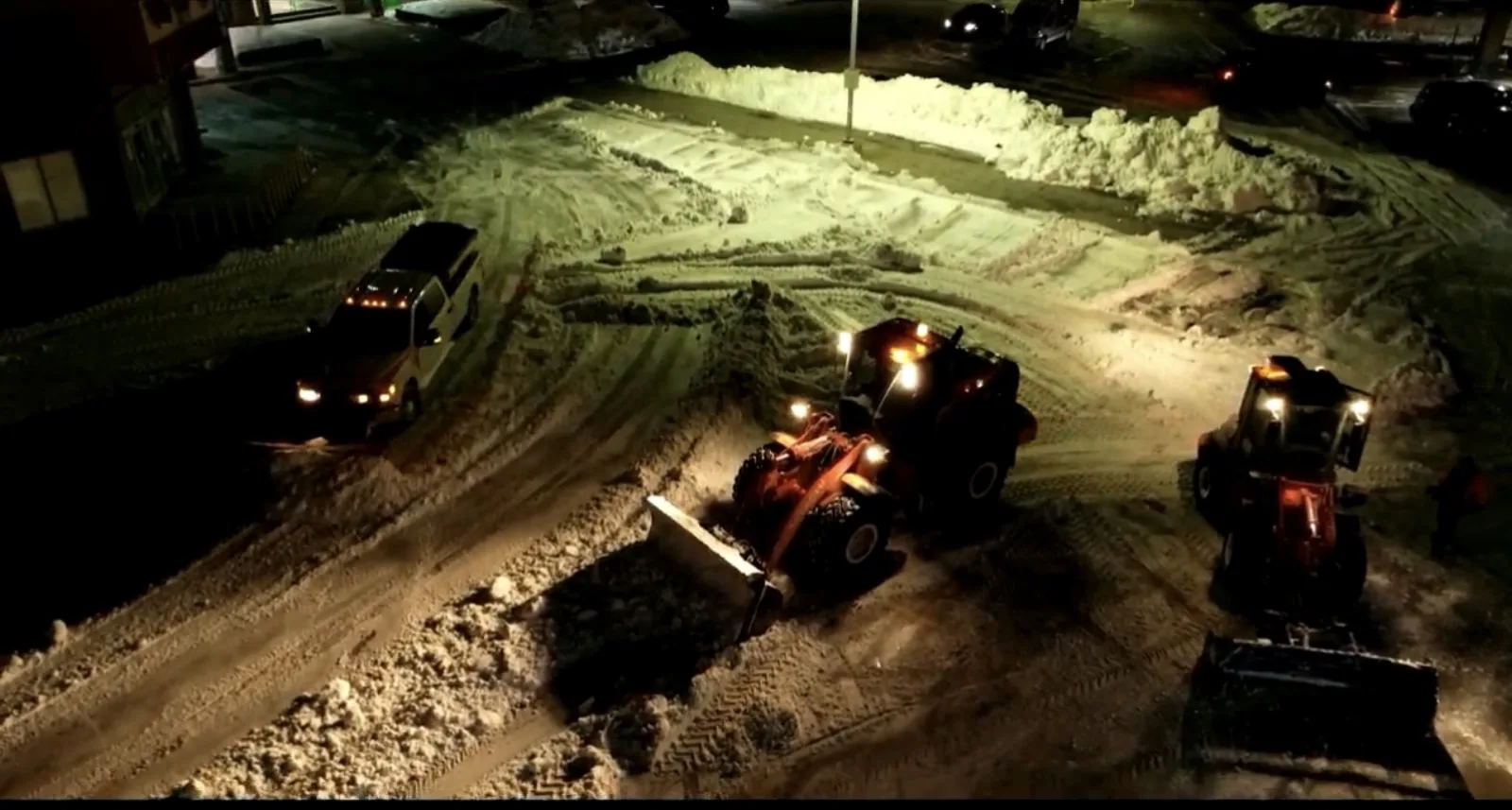
A well-designed landscape does not stay perfect on its own. Perennials need dividing every few years. Mulch breaks down and needs refreshing. Patios and driveways may need re-sanding or sealing to keep weeds out and joints stable. Snow removal is another factor if you have paved areas that need to stay clear and safe during winter. A good maintenance plan extends the life of your investment and keeps the yard looking intentional rather than neglected.
For many GTA homeowners, the easiest route is to set up a seasonal schedule with a local company. Spring cleanups, summer pruning, fall leaf removal, and winter salting and plowing can all be handled by the same crew. That consistency means they know your property, your plants, and your preferences, which saves time and reduces the chance of damage from someone unfamiliar with the layout.
Realistic Budgeting and Timelines
Landscape projects almost always take longer and cost more than the initial estimate. That is not because contractors are dishonest. It is because hidden issues like buried utility lines, poor soil, or unexpected rock show up once digging starts. A good rule of thumb is to add twenty percent to your budget and a couple of weeks to your timeline. If everything goes smoothly, you come in under budget and ahead of schedule. If not, you are prepared.
Prioritise the elements that matter most to you. If you entertain often, invest in the patio and outdoor kitchen area. If you have young kids, put your money into a safe, playable lawn and a sturdy fence. Fancy water features and elaborate flower beds can come later. Spend where you get the most daily enjoyment, and scale back everywhere else.
Connect with us on Facebook.
For anyone considering a project in Markham, Scarborough, or the broader area, Jayden's Landscaping Markham, located at 5357 19th Ave, Markham, ON L3P 3J3, Canada, phone +1 647-621-4219, has been serving the community since 2014 with a family-run approach to landscaping, interlocking driveways, and snow removal.